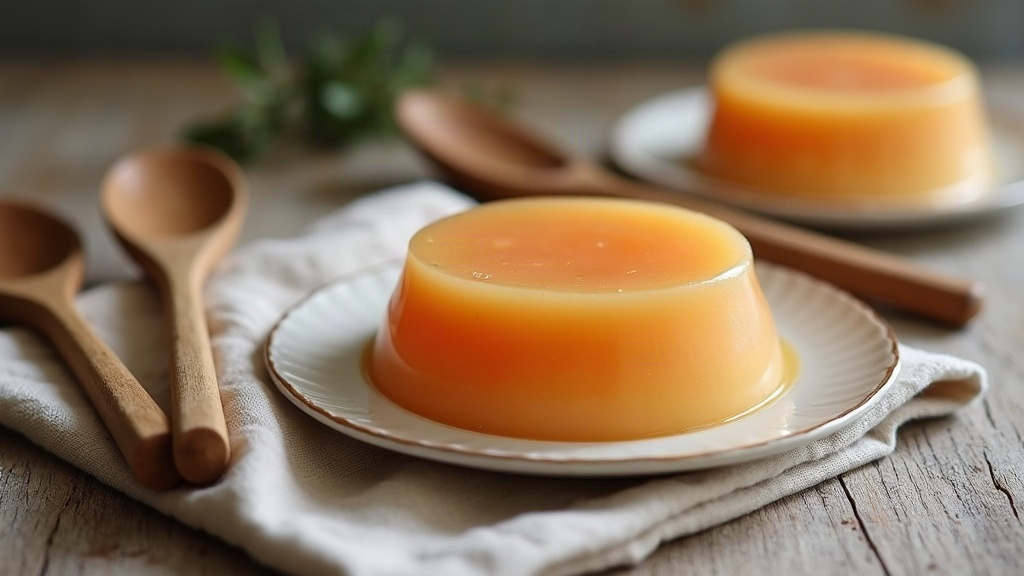
By the time many women reach their thirties, natural collagen production has already started to slow — a shift that’s led more of them to look closer at simple, traditional ingredients like gelatin as part of a daily habit. Here’s what’s behind the conversation.
Before jumping to solutions, it helps to understand what’s actually happening. These four shifts are commonly discussed in women’s wellness circles — and they’re worth knowing about, whatever stage you’re at.
Collagen is one of the body's most abundant structural proteins, and its production tends to slow over time — which is part of why ingredients like gelatin, a cooked form of collagen, have drawn renewed attention.
How full or satisfied a meal leaves you isn't fixed — it can shift with age, habits, and what's actually on the plate, especially protein content.
The ratio of lean mass to other tissue tends to change gradually over the years, which is a normal part of how bodies evolve — not a sign of doing something wrong.
Generic 'eat less, move more' guidance rarely accounts for these underlying shifts, which is why some women are revisiting simpler, traditional approaches instead.
A lot of what circulates about metabolism and weight isn’t quite accurate. Here’s a closer, more grounded look at three common claims.
Metabolism completely shuts down after a certain age.
Metabolic rate does shift gradually over time, but it doesn’t simply ‘stop.’ Many factors — including muscle mass and daily habits — play a role.
Eating less is always the right answer.
Satiety and protein intake matter as much as quantity. Ingredients that support fullness, like gelatin-based foods, are often discussed for this reason.
Weight is only about calories in versus calories out.
Body composition, hormonal patterns, sleep, and consistency of habits all factor into the bigger picture — it’s rarely just arithmetic.
No extreme rules here — just a straightforward way to think about building a daily habit around this topic.
Rather than overhauling everything at once, many women begin by adding a single, simple habit — like a gelatin-based food or drink — into an existing routine.
Notice how different meals make you feel afterward. Protein-rich, satiety-supportive choices are often part of this observation process.
Consistency over weeks tends to matter more than any single day. Small, repeatable habits are easier to sustain than dramatic changes.
Long before it became a wellness talking point, gelatin was a kitchen staple. Traditional cooks simmered bones and connective tissue for hours to create broths, aspics, and gelled dishes — a practice found across many cultures, from Eastern European kitchens to Asian bone broths. It wasn’t framed as a ‘supplement’; it was simply how resourceful cooks used the whole animal and stretched ingredients through the seasons.
The modern interest in collagen and hydrolyzed gelatin is, in many ways, a return to this older culinary logic — using a simple, protein-rich ingredient that traditional kitchens never stopped relying on.
Feeling hungry sooner than expected after eating can be a cue worth paying attention to, especially around meal composition.
Changes in skin's texture or bounce are commonly discussed alongside natural shifts in collagen levels.
Some women notice more stiffness after exercise or long periods of sitting, which often prompts a closer look at daily habits.
Weight that seems to shift more easily than before is frequently mentioned as part of this broader conversation.
A mid-afternoon slump can be tied to a number of factors, including meal timing and satiety.
Nail texture and strength are sometimes brought up in the same discussions as skin and collagen-related habits.
Individual results may vary. These testimonials reflect personal experiences and opinions and are not a guarantee of any specific outcome.
Hydrolyzed gelatin is gelatin that has been broken down into smaller protein fragments, which some people find easier to dissolve and incorporate into food or drinks compared to traditional gelatin.
They’re closely related. Gelatin is derived from collagen through a cooking process, which changes its structure but keeps much of its amino acid profile.
This content isn’t a diet plan — it’s an educational look at a traditional ingredient and how some women incorporate it into existing daily habits.
Many people who explore this topic start by adding a single small habit to what they already do, rather than changing everything at once.
No. This content is educational and general in nature and is not a substitute for personalized guidance from a qualified healthcare provider.
This content is intended for general audiences interested in learning more about women’s wellness topics and traditional dietary habits.
The full video walks through the background, the traditional context, and how the framework fits into a daily routine in more detail.
Watch the full breakdown to see the traditional background, the framework, and how women are thinking about this habit day to day.
Advertising Disclosure: This page contains sponsored content and affiliate links. We may receive compensation if you click a link or make a purchase through links contained on this page. This does not affect the price you pay and helps support the content we create.
Content Disclaimer: The information provided on this page is for educational and informational purposes only and is not intended as medical advice. Statements have not been evaluated by the Food and Drug Administration. Nothing on this page is intended to diagnose, treat, cure, or prevent any disease or health condition. Always consult a qualified healthcare professional before making changes to your diet, exercise, or wellness routine.
Results Disclaimer: Individual results may vary. Any testimonials or experiences shared on this page reflect personal opinions and are not a guarantee of any specific outcome for any user.
Privacy Policy · Refund Policy · Shipping · Contact · Disclaimer
© 2026 · All Rights Reserved · Contact